
Learn what biomethane is, how it’s produced, and why it plays a key role in reducing emissions and accelerating the energy transition.
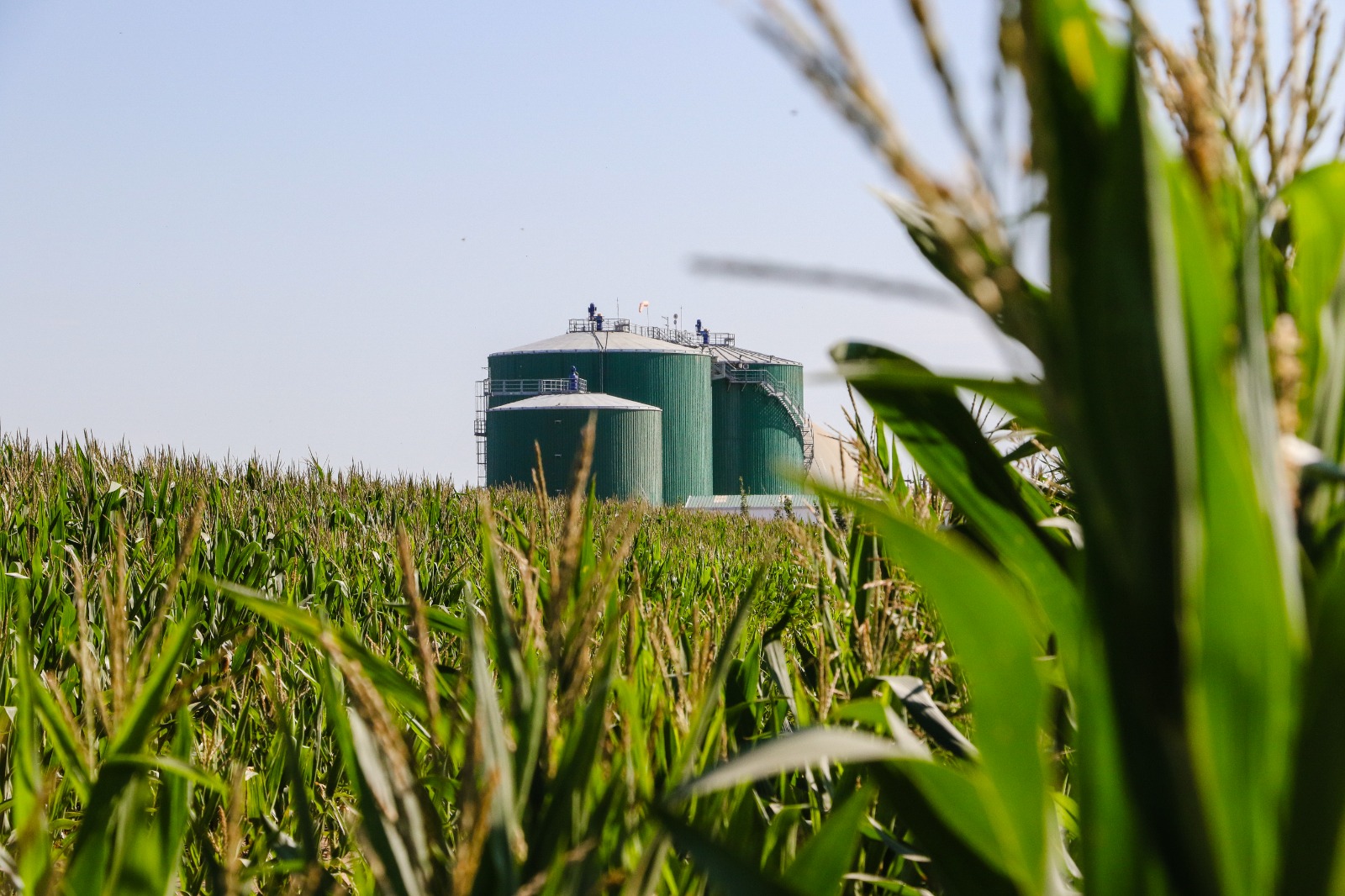
What Is Biomethane and Why It Matters for the Energy Transition
The transition toward a cleaner energy system does not rely on a single solution. Renewable energy, efficiency, electrification, hydrogen, and advanced biofuels are all part of the same puzzle.
Within this landscape, one solution is gaining momentum across Latin America and globally: biomethane.
But what is biomethane, how is it produced, and why is it considered a strategic solution for reducing emissions in sectors where other technologies still fall short?
What is biomethane?
Biomethane is a renewable gas obtained by purifying biogas, which is produced through the anaerobic digestion of organic waste such as:
- Agro-industrial effluents
- Manure and slurry
- Food waste
- Sewage sludge
- Municipal solid organic waste
During this process, biogas is first generated and then upgraded through different technologies that remove carbon dioxide and impurities, resulting in a gas with a quality similar to fossil natural gas.
This enables a key advantage: biomethane can be injected into existing gas grids and used in the same infrastructure, equipment, and vehicles—while significantly reducing carbon emissions.
Biogas, biomethane, and natural gas: what’s the difference?
Although often confused, these are distinct energy sources:
- Biogas: a mixture of methane and CO₂ produced in digesters or landfills
- Biomethane: purified biogas upgraded to grid-quality gas
- Fossil natural gas: extracted from underground reserves, with a high climate impact
The upgrading process is what makes biomethane a direct substitute for natural gas.
Biomethane vs fossil fuels: real emission reductions
One of biomethane’s strongest advantages is its environmental performance.
According to the Panorama BioGNV 2024 report by France Mobilité Biogaz, using biomethane in transport can reduce CO₂ emissions by up to 77% compared to diesel when analyzed across the full life cycle.
Other studies show that replacing fossil natural gas with biomethane can reduce emissions by up to 83%.
This is explained by a simple principle:
The carbon released during combustion comes from recently absorbed organic matter—not from fossil sources—making it part of a near-neutral carbon cycle.
Example: emission reduction when replacing natural gas with biomethane
For an annual consumption of 10,000,000 m³:
- Natural gas: 20,400 tCO₂e
- Biomethane: 39 tCO₂e
That’s up to 500+ times lower impact, depending on methodology and feedstock.
Environmental benefits beyond CO₂
In addition to reducing greenhouse gas emissions, biomethane offers:
- Up to 95% reduction in particulate matter
- Up to 70% less NOx and 98% less NO₂ compared to diesel
- Lower noise levels (ideal for urban logistics)
- No visible smoke emissions
These advantages explain why biomethane is increasingly being adopted in public transport and logistics fleets.
Biomethane and the circular economy
Biomethane is a clear example of circular economy in action.
It enables:
- Converting waste into renewable energy
- Producing biofertilizers (digestate)
- Reducing environmental liabilities
- Creating local jobs
- Strengthening regional economies
Where biomethane has the greatest impact
Biomethane is especially relevant in sectors that are difficult to electrify:
- Heavy transport
- Urban bus systems
- Waste collection fleets
- Logistics operations
- High-temperature industrial processes
Europe as a benchmark: the case of France
While biomethane is growing globally, Europe—and France in particular—offers a strong example of scale.
According to GRDF and French Panorama of Renewable Gas:
- Over 650 biomethane plants inject gas into the grid
- Annual production exceeds 11 TWh
- More than 1,200 projects are under development
- Existing gas infrastructure enables deployment with moderate investment
France achieved this through:
- Stable regulation
- Financial incentives
- Guarantees of origin
- Long-term contracts
- Support for rural producers
GRDF also highlights that biomethane will play a central role in renewable gas systems, complementing hydrogen depending on region and use case.
Why biomethane matters for Argentina and Latin America
Latin America has strong conditions that make biomethane particularly attractive:
- High availability of agro-industrial waste
- Intensive livestock production
- Urban waste management challenges
- Long-distance logistics needs
- The need to decarbonize without rebuilding energy infrastructure
Brazil is already showing how bioenergy can evolve into an industrial policy, integrating biomethane, SAF, and circular economy solutions.
In Argentina, this potential is beginning to materialize. In southern Córdoba, a productive ecosystem is emerging based on biogas, biomethane, and biofertilizers—integrating waste treatment, energy generation, and agricultural inputs.
Companies like Bioeléctrica have been driving this model for over a decade, developing projects that transform agro-industrial waste into renewable electricity and, increasingly, biomethane suitable for grid injection or use as fuel.
These projects demonstrate that biomethane is not only a climate solution, but also a tool to strengthen regional economies, reduce fossil fuel dependency, and create new value chains from local resources.
Biomethane: a solution available today
International and regional studies agree on one key point:
Biomethane is not a future technology—it is a solution available today.
It enables emission reductions, waste valorization, and accelerates the energy transition in sectors where electrification is not yet viable.
Understanding what biomethane is is the first step toward anticipating how energy systems in Latin America will evolve in the coming decade.
Be part of the transition
👉 Interested in exploring whether biomethane can be a solution for your operations or industry? Let’s talk.