In a global context where sustainability is becoming a priority, renewable energy is taking center stage in the transition toward a cleaner and more efficient future. In this article, we explore the main renewable energy types, their benefits, and why they are key to the future of energy.
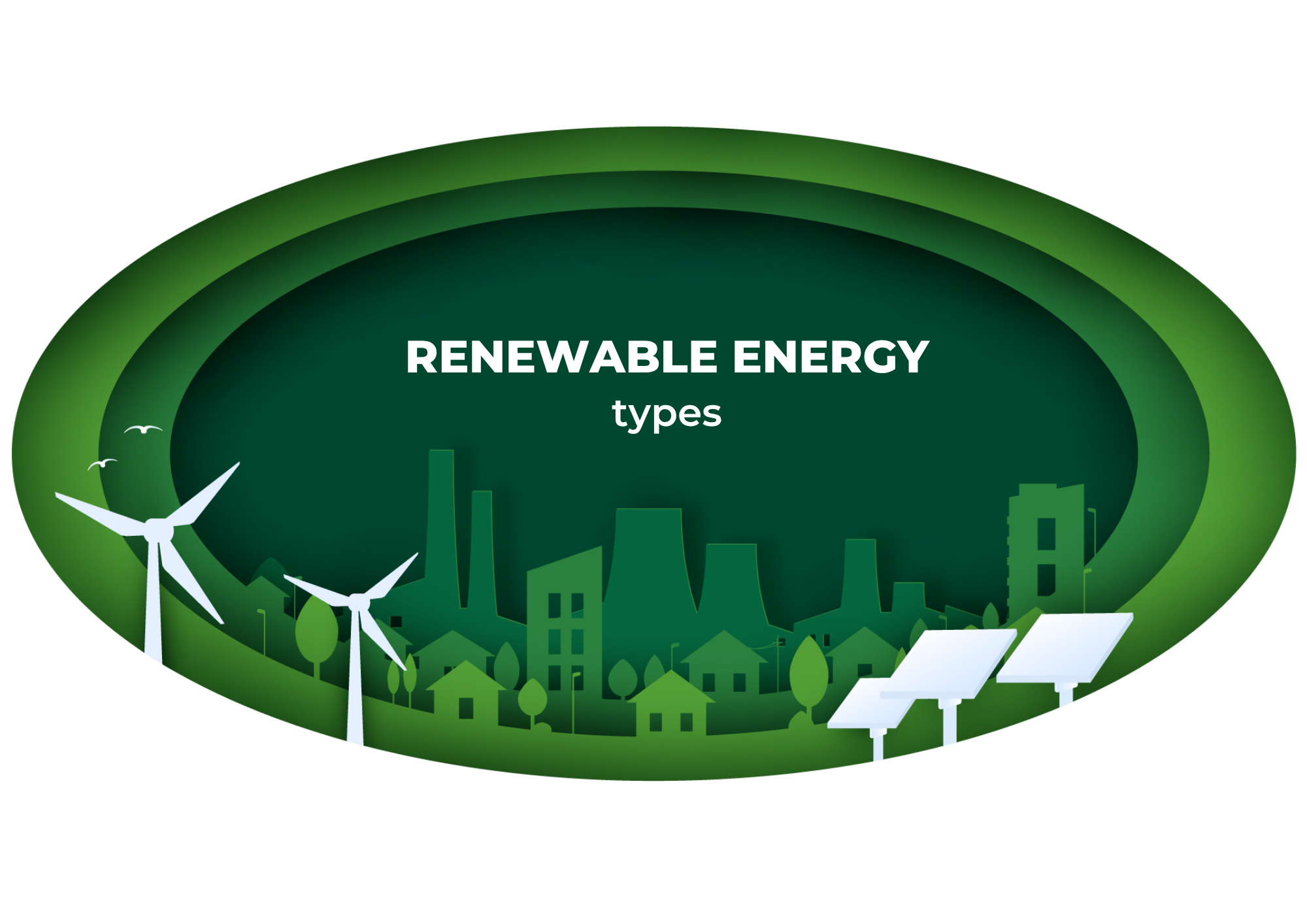
Renewable Energy Types: Benefits and Opportunities for Businesses
As sustainability becomes a strategic priority worldwide, renewable energy is emerging as a key driver of the energy transition.
Understanding the different renewable energy types is essential for organizations looking to reduce emissions, improve efficiency, and adapt to a rapidly evolving energy landscape.
What is renewable energy?
Renewable energy comes from natural resources that regenerate continuously and are virtually inexhaustible.
Unlike fossil fuels—such as oil, coal, and natural gas—these energy sources have a significantly lower environmental impact and do not run out over time.
The main renewable energy types include solar, wind, hydro, geothermal, biomass, and biogas. These sources can be used to generate electricity, produce heat, or create biofuels, helping reduce greenhouse gas emissions and diversify energy systems.
In Argentina, the development of renewable energy has been supported by Law 26.190, which established a national framework to promote renewable electricity generation. Programs like RenovAr have accelerated the adoption of clean energy projects across the country.
Renewable energy types: how they work
Below are the most important renewable energy types and how they work:
1. Biogas energy
Produced through the decomposition of organic waste, manure, or agro-industrial effluents.
Companies like Bioeléctrica lead this model in Argentina, generating energy from biogas while promoting a circular economy in the agricultural sector.
2. Biomass energy
Derived from organic matter of plant or animal origin, including agricultural, forestry, or urban waste.
It can be converted into heat, electricity, or biofuels such as bioethanol and biodiesel.
3. Solar energy
Harnesses solar radiation to generate electricity or heat.
- Photovoltaic: converts sunlight into electricity using solar panels
- Solar thermal: uses solar energy for heating water or spaces
4. Wind energy
Uses the force of the wind to drive turbines that generate electricity.
Wind farms can be located onshore or offshore, and their development has grown significantly in regions such as Patagonia.
5. Hydropower
Generated from the movement of water, typically through dams or hydraulic turbines.
Smaller-scale hydropower (under 50 MW) is generally considered renewable due to its lower environmental impact.
6. Geothermal energy
Harnesses heat from within the Earth, especially in volcanic regions, to produce electricity or heating.
7. Tidal energy
Uses the movement of ocean tides and waves to generate electricity through underwater turbines.

Renewable vs. non-renewable energy
Renewable energy comes from naturally replenished sources, while non-renewable energy depends on finite resources that cannot be regenerated once depleted.
Additionally, fossil fuels release large amounts of CO₂ and other pollutants, contributing to climate change.
According to Our World in Data, energy use (including transport, heat, and electricity) accounts for approximately 73% of global greenhouse gas emissions—highlighting the urgency of accelerating the transition to renewable sources.
Advantages and challenges of renewable energy
Advantages
- Naturally replenished and sustainable
- Lower greenhouse gas emissions
- Increased energy independence
- Job creation and regional economic development
Challenges
- Some technologies are intermittent (e.g., solar and wind)
- High upfront investment costs
- Lower efficiency in certain cases compared to fossil fuels
Global trends in renewable energy
According to the International Energy Agency (IEA), global renewable energy capacity is expected to grow by more than 60% between 2020 and 2026, reaching over 4,800 GW and surpassing the combined capacity of fossil fuels and nuclear energy.
At the same time, costs have dropped significantly:
- Solar energy is now 89% cheaper than a decade ago
- Wind energy is 70% more affordable
These trends show that the energy transition is not only environmentally necessary but also economically viable.
Challenges and opportunities ahead
Key challenges include scalability, intermittency, and the need for efficient energy storage systems.
However, technological advancements and cost reductions are creating strong opportunities for growth in the coming decades.
Within this landscape, renewable energy types such as biogas offer a unique opportunity to build a more sustainable future while reducing dependence on fossil fuels.
Companies like Bioeléctrica play a key role in this transition by transforming agro-industrial waste into clean electricity and promoting circular economy models.
Be part of the energy transition
At Bioeléctrica, we transform agro-industrial waste into renewable energy, delivering sustainable solutions for businesses and communities.
👉 Contact us to learn more about our projects and how you can be part of the change.